

 عربى
عربى  English
 عربى
عربى हिंदी
हिंदीالمكونات الرئيسية لنهاية سائل مضخة فارك: الوظيفة والاختلافات
Nov 20, 2025
محتوى
المكونات الرئيسية لنهاية سائل مضخة فارك
ال نهاية سائل مضخة فارك يعد أحد المكونات المهمة لمعدات التكسير الهيدروليكي، وهو مصمم للتعامل مع نقل السوائل عالية الضغط في التطبيقات الصعبة. يتكون طرف السائل من عدة مكونات رئيسية، يلعب كل منها دورًا حيويًا في ضمان عمل المضخة بكفاءة وموثوقية. تشمل هذه المكونات:
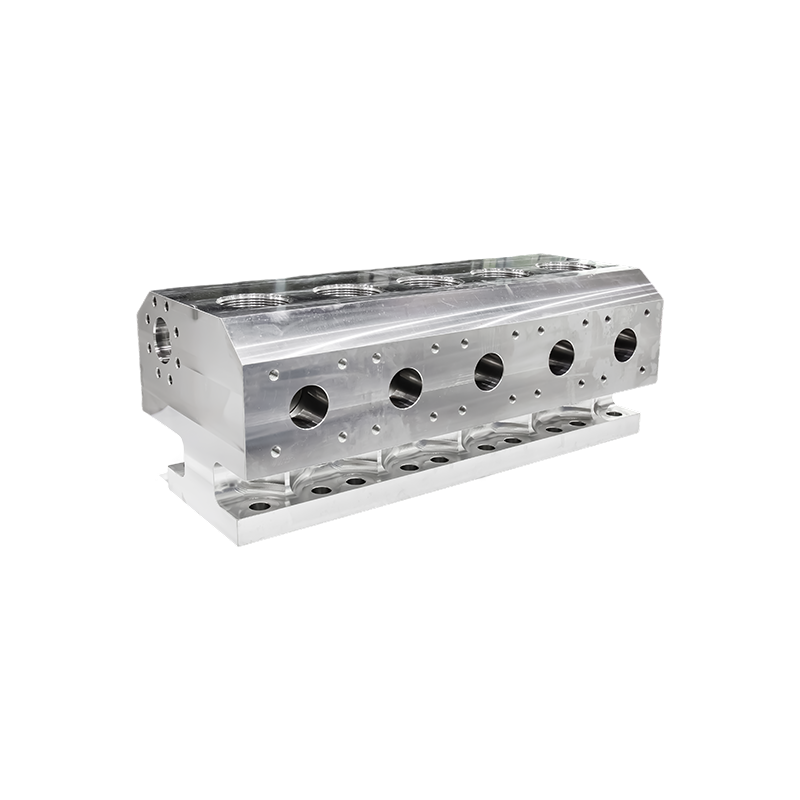
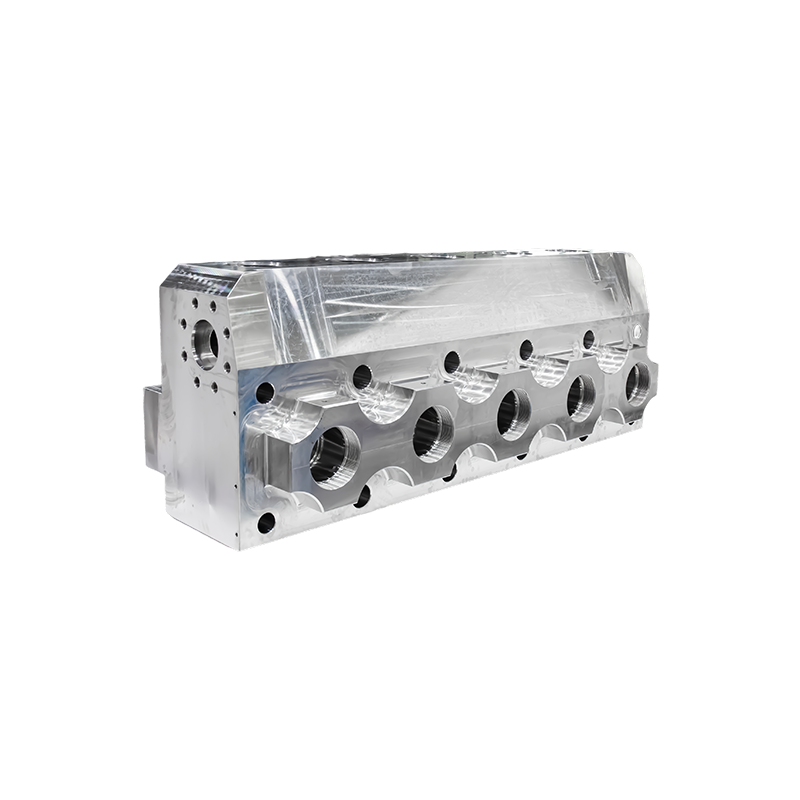
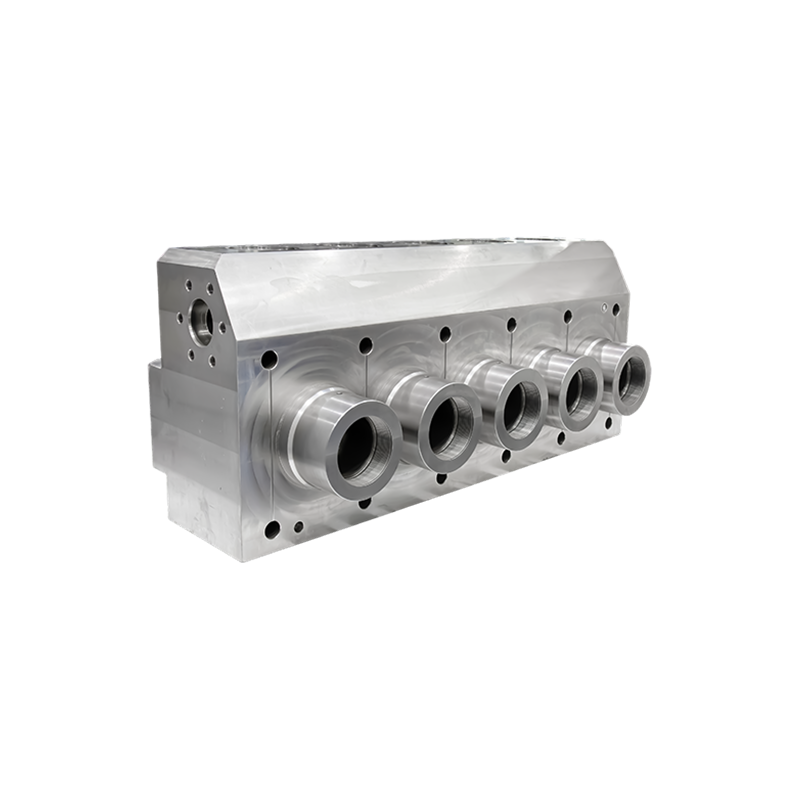
- كتلة نهاية السوائل: ال core structure of the fluid end, designed to withstand extreme pressures and wear. It houses other components and connects directly to the pump's power end.
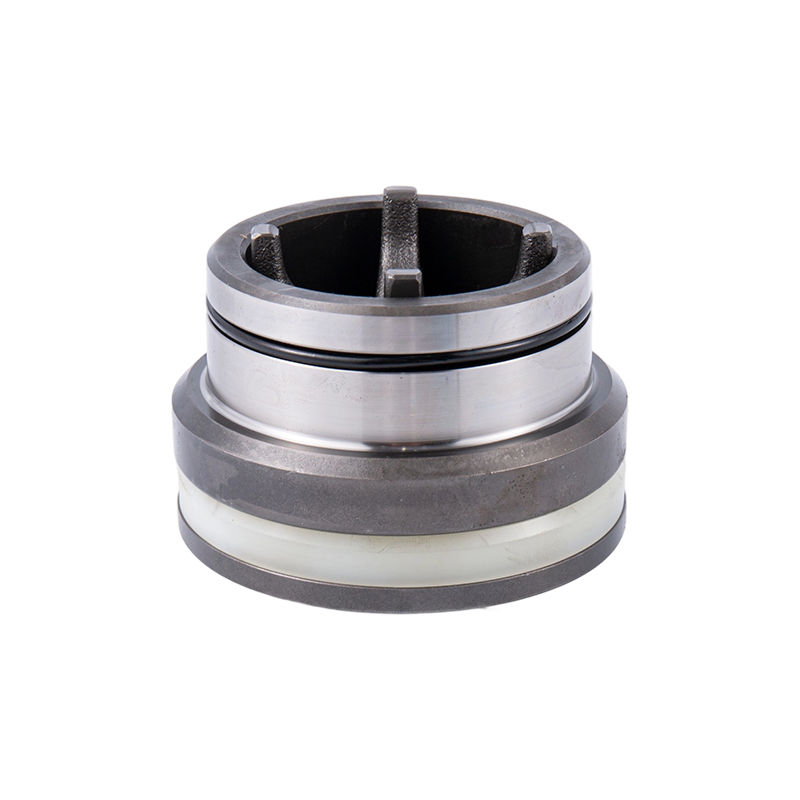
- الصمامات: تتحكم الصمامات في تدفق السائل عبر المضخة، وهي مصممة عادةً إما على شكل صمامات كروية أو صمامات فحص. تسمح هذه الصمامات بتدفق السوائل في اتجاه واحد مع منع التدفق العكسي، مما يضمن ضخ السوائل ذات الضغط العالي بكفاءة.
- مقاعد الصمام: توفر مقاعد الصمام سطحًا مانعًا للصمام ليغلق بشكل صحيح. تعتبر هذه المكونات ضرورية للحفاظ على كفاءة المضخة، لأنها تمنع تسرب السوائل وتساعد على ضمان التشغيل الدقيق لنظام المضخة.
- الغطاسون: الغطاسون مسؤولون عن إنشاء القوة الميكانيكية اللازمة لتحريك السوائل عبر المضخة. في مضخات التكسير عالية الأداء، يجب على الغطاسات التعامل مع الضغوط العالية للغاية والسوائل الكاشطة، وغالبًا ما تتميز بطبقات أو مواد خاصة لزيادة متانتها.
- قضبان المكبس: ال piston rods connect the reciprocating power end to the plungers. They transfer mechanical motion from the power end to the fluid end, driving the plungers in and out to generate fluid flow.
- التجهيزات والشفاه: الse provide the necessary connections for high-pressure fluid intake and discharge. Proper installation of these fittings is crucial to avoiding leaks and maintaining pump efficiency under extreme conditions.
وظيفة نهاية السائل في مضخة الطين
ال fluid end of a mud pump is responsible for pumping drilling mud into the wellbore under high pressure, ensuring that the well remains clean and stable during the drilling process. The fluid end's role is to maintain consistent fluid flow, prevent contamination, and ensure efficient operation. The primary functions of a fluid end in a mud pump include:
- الضغط: ال fluid end is responsible for creating the high pressures required to circulate drilling mud to the surface, ensuring proper wellbore cleaning and cooling of the drill bit.
- التحكم في التدفق: يتحكم في معدل واتجاه تدفق السوائل. ومن خلال إدارة تدفق الطين عبر النظام، يساعد طرف السائل في الحفاظ على الدورة الدموية المتسقة، مما يمنع انهيار حفرة البئر أو تلوث السوائل.
- الترشيح: في بعض مضخات الطين، يشتمل طرف السائل على مكونات ترشيح تساعد على فصل الجزيئات الصلبة عن الطين، مما يضمن تشغيل المضخة بسلاسة ويقلل من خطر فشل المضخة بسبب المواد الكاشطة.
- تقليل النبض: ال fluid end also reduces the pulsating effect commonly associated with pump strokes. This reduction is vital for maintaining a smooth, continuous flow of fluid into the wellbore.
الفرق بين نهاية السوائل ونهاية الطاقة
في حين أن كلا من طرفي السائل وطرف الطاقة يعتبران جزءًا لا يتجزأ من تشغيل مضخة التكسير أو مضخة الطين، إلا أن وظائفهما وخصائص تصميمهما تختلف بشكل كبير. يعد فهم هذه الاختلافات أمرًا بالغ الأهمية لصيانة أنظمة المضخات وتشغيلها بكفاءة:
| نهاية السوائل | نهاية السلطة |
| ال fluid end is responsible for handling the fluid directly, creating the pressure required to move the fluid through the system. It contains the valves, seats, plungers, and other components that control the flow and pressure of the fluid. | ال power end, on the other hand, generates mechanical force through its reciprocating motion. It houses the crankshaft, connecting rods, and other components that drive the pistons in the fluid end. |
| ال fluid end operates under extreme pressure and is subject to significant wear and tear due to the high velocity of fluid passing through it. | ال power end operates under high mechanical load but is less affected by fluid pressure compared to the fluid end. |
| غالبًا ما يتم تصنيع المكونات النهائية للسوائل من مواد متينة وعالية القوة لمقاومة التآكل والتآكل الناجم عن السوائل الكاشطة أو العدوانية كيميائيًا. | عادةً ما يتم تصميم المكونات الطرفية للطاقة لتحقيق المتانة الميكانيكية، وذلك باستخدام مواد مصممة للتعامل مع القوى الثقيلة دون فشل. |
| ال fluid end often requires more frequent maintenance and replacement of components like valves, seats, and plungers due to wear. | ال power end generally requires less frequent maintenance, with most attention paid to the crankshaft and bearings. |
كيف تعمل نهاية سائل Quintuplex؟
ال quintuplex fluid end is an advanced pump design featuring five cylinders, or plungers, working simultaneously to deliver high flow rates and minimize pulsation. The quintuplex configuration improves upon the triplex (three-cylinder) and duplex (two-cylinder) designs by offering smoother, more consistent fluid delivery. The operation of a quintuplex fluid end is as follows:
- خمسة الغطاسون: ال five plungers in the quintuplex fluid end operate in a staggered sequence. Each plunger completes its cycle at a different time, which smooths out the pressure waves and creates a more continuous fluid flow. This design is especially valuable for high-demand applications like hydraulic fracturing.
- قدرات التدفق والضغط الأعلى: باستخدام خمس أسطوانات، يمكن للنظام الخماسي التعامل مع معدلات تدفق وضغوط أعلى مقارنةً بأطراف السوائل الثلاثية أو المزدوجة. وهذا يجعلها مناسبة تمامًا لضخ السوائل عالية اللزوجة أو العمل في ظروف الآبار الصعبة.
- انخفاض النبض: إحدى المزايا الرئيسية للتصميم الخماسي هي قدرته على تقليل النبض في تفريغ المضخة. يؤدي هذا إلى توصيل سائل أكثر اتساقًا وتقليل الضغط الميكانيكي على النظام، مما يؤدي إلى تحسين الكفاءة وإطالة عمر مكونات المضخة.
- تعزيز المتانة: ال quintuplex fluid end is designed to operate under extreme conditions. The use of durable materials, such as high-strength alloys for plungers and valves, ensures long-lasting performance even in abrasive environments.
رقم 19، طريق كيجي، منطقة التنمية الاقتصادية والتكنولوجية، مدينة شوانتشنغ، مقاطعة آنهوي، الصين
منتجات
رمز الاستجابة السريعة
حقوق الطبع والنشر © Anhui Tianyu Petroleum Equipment Manufacturing Co., Ltd.
